| Pharmacodynamics |
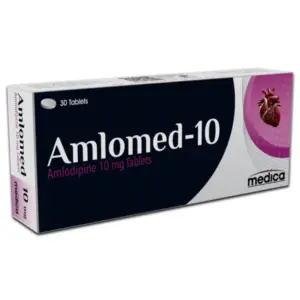
Amlodipine is a peripheral arterial vasodilator that acts directly on vascular smooth muscle to cause a reduction in peripheral vascular resistance and reduction of supine and standing blood pressures, with no significant change in heart rate or plasma catecholamine levels with chronic dosing. With chronic once daily oral administration, antihypertensive effectiveness is maintained for the least 24 hours. The magnitude of reduction in blood pressure with amlodipine is correlated with the height of pre-treatment elevation; thus, individuals with moderate hypertension (diastolic pressure 105 to 114 mmHg) had about 50% greater response than patients with mild hypertension (diastolic pressure 90 to 104 mmHg). In hypertensive patients with normal renal function, therapeutic doses of amlodipine resulted in a decrease in renal vascular resistance and an increase in glomerular filtration rate and effective renal plasma flow without change in filtration fraction or proteinuria. The pharmacodynamics by which amlodipine relieves angina have not been fully delineated, but are the thought to include the following: Exertional Angina: In such patients, amlodipine reduces the total peripheral blood vascular resistance (afterload) against which the heart works and reduces the rate pressure product, and thus myocardial oxygen demand, at any given level of exercise. Vasospastic Angina: According to studies conducted in experimental animal models in the vitro, amlodipine prevents vascular constriction and restores blood flow in coronary arteries and small arteries in response to calcium, potassium, adrenaline, serotonin, thromboxane A2 analog. This inhibition of coronary spasm is responsible for the effectiveness of amlodipine in vasospastic (Prinzmetal’s or variant) angina.
|
| Contraindications |
Contraindicated in patients with known hypersensitivity to amlodipine or any of its components. Warnings and precautions: Hypertension: Symptomatic hypotension is possible, particularly in patients with severe aortic stenosis. Because of the gradual onset of action, acute hypotension is unlikely. Increased Angina or Myocardial Infarction: Worsening agina and acute myocardial infarction can develop after starting or increasing the dose of amlodipine, particularly in patients with severe obstructive coronary disease. Patients with Hepatic Failure: Because amlodipine is extensively metabolized by the liver and the plasma elimination half-life (t ½) is 56 hours in patients with impaired hepatic function, titrate slowly when administering amlodipine to these patients.
|
| Drug Interaction |
Impact of Other Drugs on Amlodipine: CYPA3A Inhibitors: Co-administration with CYP3A inhibitors, moderate and strong, (protease inhibitors, azole antifungals, macrolides such as clarithromycin, verapamil or diltiazem) results in increased systemic exposure to amlodipine that may cause hypotension, so it may require dose reduction. CYP3A Inducers: There is no information available on the effect of CYP3A-inducing drugs on amlodipine. However, blood pressure should be closely monitored when amlodipine is co-administered with CYP3A inducers like (rifampicin, St. John’s wort). Sildenafil: Monitor for hypotension symptoms when sildenafil is co-administered on amlodipine. Impact of Amlodipine on Other Drugs: Amlodipine is a weak inhibitor of CYP3A and may increase the concentrations of drugs that metabolized and by CYP31. Co-administered amlodipine does not affect the concentrations of atorvastatin, digoxin, ethanol and warfarin. Simvastatin: Co-administration of simvastatin with amlodipine increases the systemic concentration of simvastatin. Limit the dose of simvastatin in patients on amlodipine to 20mg daily. Immunosuppressants: Amlodipine may increase the systemic concentration of cyclosporine or tacrolimus when co-administered. Frequent monitoring through blood levels of cyclosporine and tacrolimus is recommended and adjust the dose when appropriate. Adverse Reactions: In general, treatment with amlodipine was well tolerated at doses up to 10mg daily. Most adverse reactions reported during therapy with amlodipine were of mild or moderate severity. The most reported side effects are as follows: Edema, Dizziness, Flushing, Palpitation The most reported side effects are as follows: Edema, Dizziness, Flushing, Palpitation Other adverse reactions that were not clearly dose related but were reported with an incidence greater than 1.0% in placebo-controlled clinical trials: Fatigue, Nausea, Abdominal Pain, Somnolence.
|
| Uncommon Side Effects |
events occurred in 0.1% of patients are: – Cardiovascular: arrhythmia (including ventricular tachycardia and atrial fibrillation), bradycardia, chest pain, peripheral ischemia, syncope, tachycardia, vasculitis. – Gastrointestinal: Anorexia, constipation, dysphagia, diarrhoea, flatulence, pancreatitis, vomiting, gingival hyperplasia. – Musculoskeletal System: arthralgia, arthrosis, muscle cramps, myalgia Psychiatric: sexual dysfunction (male and female), insomnia, nervousness, depression, abnormal dreams, anxiety depersonalization Respiratory System: dyspnoea, epistaxis – Skin: angioedema, erythema multiforme (allergic reaction to medicine or an infection), pruritus, rash, rash maculopapular – Special Senses: abnormal vision, conjunctivitis, diplopia, eye pain, tinnitus Urinary System: micturition frequency, micturition disorder, nocturia. – Autonomic Nervous System: dry mouth sweating increased – Metabolic and Nutritional: hyperglycaemia, thirst – Hemopoietic: leukopenia, purpura (small blood vessels leak blood under your skin’s surface), thrombocytopenia – General: allergic reaction, asthenia, back pain, hot flushes, malaise, weight gain or weight decrease
|
| Use in specific Populations |
Pregnancy: because of limited data on the use of the drug during pregnancy, it is not recommended during pregnancy. Lactation: Because of limited date on the use of the drug during lactation, it is not recommended during lactation. Paediatric Use: Amlodipine (2.5 to 5mg daily) is effective in lowering blood pressure in patients 6 to 17 years. Effect on amlodipine on blood pressure in patients less than 6 years of age is not known. Geriatric Use: Elderly patients have decreased clearance of amlodipine with a resulting increase of AUC of approximately 40 to 60% and lower initial dose may be required. Renal Impairment: The pharmacokinetics of amlodipine are not significantly, influenced by renal impairment. Patients with renal failure may therefore receive the usual initial dose. Hepatic Impairment: Because amlodipine is extensively metabolized by the liver and the plasma elimination half life (t ½) is 56 hours in patients with impaired hepatic function, titrate slowly when administering amlodipine to patients with severe hepatic impairment.
|



Reviews
There are no reviews yet.