
Additional information
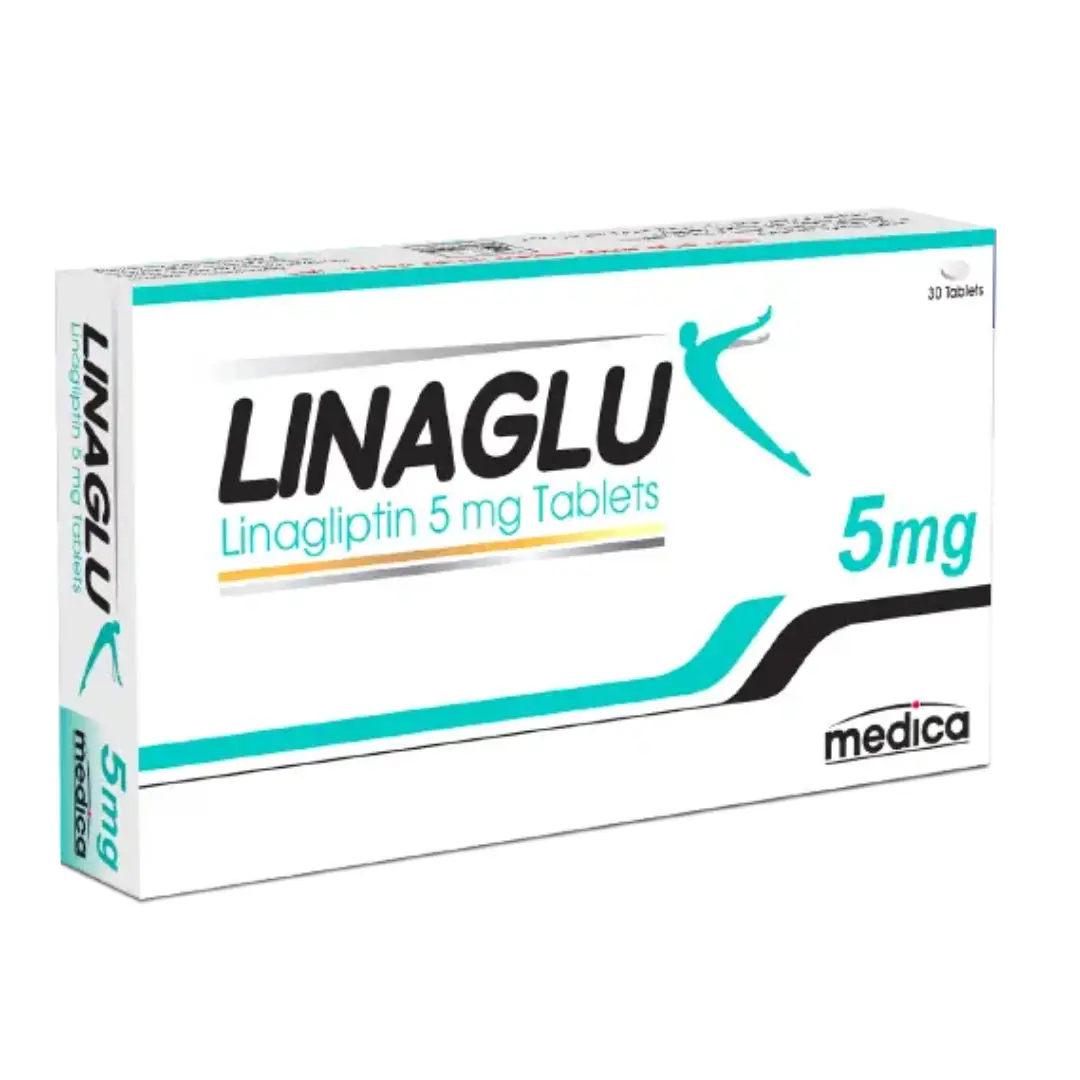
| Composition | Each Film Coated Tablet contains: Drug Class: Dipeptidyl peptidase-4 (DPP-4) inhibitor, Antidiabetic. |
|---|---|
| Pharmacodynamics | Linagliptin reversibly binds to DPP-4 and thus increases the concentrations of incretin hormones. Linagliptin glucose-dependently increases insulin secretion and lowers glucagon secretion, resulting in better glucose homeostasis regulation. |
| Pharmacokinetics | Absorption: Distribution: Metabolism: Excretion: |
| Before You Start Linaglu Tablets | Tell your doctor if you have: |
| Indications and Usage | Linaglu is indicated as an adjunct to diet and exercise to improve glycemic control in adults with type 2 diabetes mellitus. |
| Administration and Dosage | The recommended dosage of linaglu is 5 mg taken orally once daily, with or without food. |
| Contraindications | Linagliptin is contraindicated in patients with hypersensitivity to linagliptin or any of its components. |
| Warnings and Precautions | Pancreatitis: Use of linagliptin has been associated with reports of acute pancreatitis, some of which were serious and required urgent medical attention. Hypoglycemia with Concomitant Use with Insulin and Insulin Secretagogues: The risk of hypoglycemia is increased when linagliptin is used in combination with an insulin secretagogue (e.g., sulfonylurea) or insulin. The use of linagliptin in combination with insulin in subjects with severe renal impairment was associated with a higher rate of hypoglycemia. Hypersensitivity Reactions: Heart Failure: Consider the risks and benefits of linagliptin before initiating treatment in patients at risk for heart failure, such as those with a prior history of heart failure and a history of renal impairment, and monitor patients for signs and symptoms of heart failure during therapy. |
| Use in Specific Populations | Patients with Renal and Hepatic Impairment: Pregnancy: Lactation: Pediatric Usage: |
| Side Effects/Adverse Reactions | Some side effects that may occur while taking linagliptin include anxiety, blurred vision, chills, cold sweats, confusion, pale or cool skin, dizziness, fast heartbeat, headache, increased hunger, nausea, nightmares, shakiness, slurred speech, unusual tiredness or weakness, and, in rare cases, seizures or loss of consciousness. If you notice any of these symptoms, especially if they are severe or persistent, contact your doctor right away. |
| Drug Interactions | Inducers of P-glycoprotein or CYP3A4 enzymes: Rifampicin decreased linagliptin exposure, suggesting that the efficacy of linagliptin may be reduced when administered in combination with a strong P-gp or CYP3A4 inducer. Insulin or Insulin Secretagogues: The risk of hypoglycemia is increased when linagliptin is used in combination with an insulin secretagogue (e.g., sulfonylurea) or insulin. Lower dosages may be required to reduce the risk of hypoglycemia. Overdose: |
| Storage Conditions | Store in a dry place below 30° C. Linaglu 5 mg. |
| Pack Size | 2 blisters (Alu/Alu), each blister contains 15 tablets. |
Reviews
There are no reviews yet.